Stradivarius copies & the secret of the sound
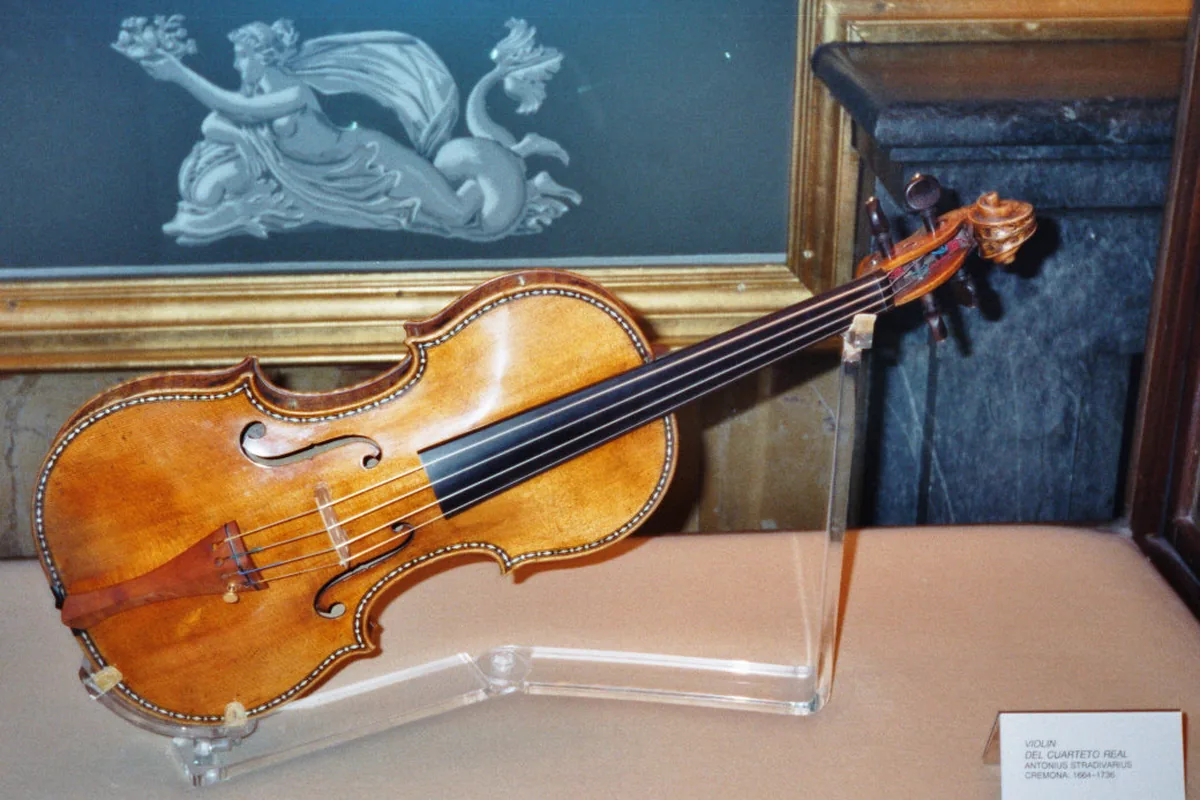
Many attempts have been made to copy or replicate the authentic <a href="/stradivarius-violins/">Stradivarius violins</a> created by <a href="/antonio-stradivari/">Antonio Stradivari</a>. The violins of Antonio Stradivarius are believed to be of the best and most famous violins in the world, for they have impeccable quality of sound and were made with amazing skill. Although many people have attempted to recreate or craft the Stradivarius violin, they have not succeeded to exactly replicate it so that it will produce the same sound and quality that Antonio Stradivari was able to create through his craft.
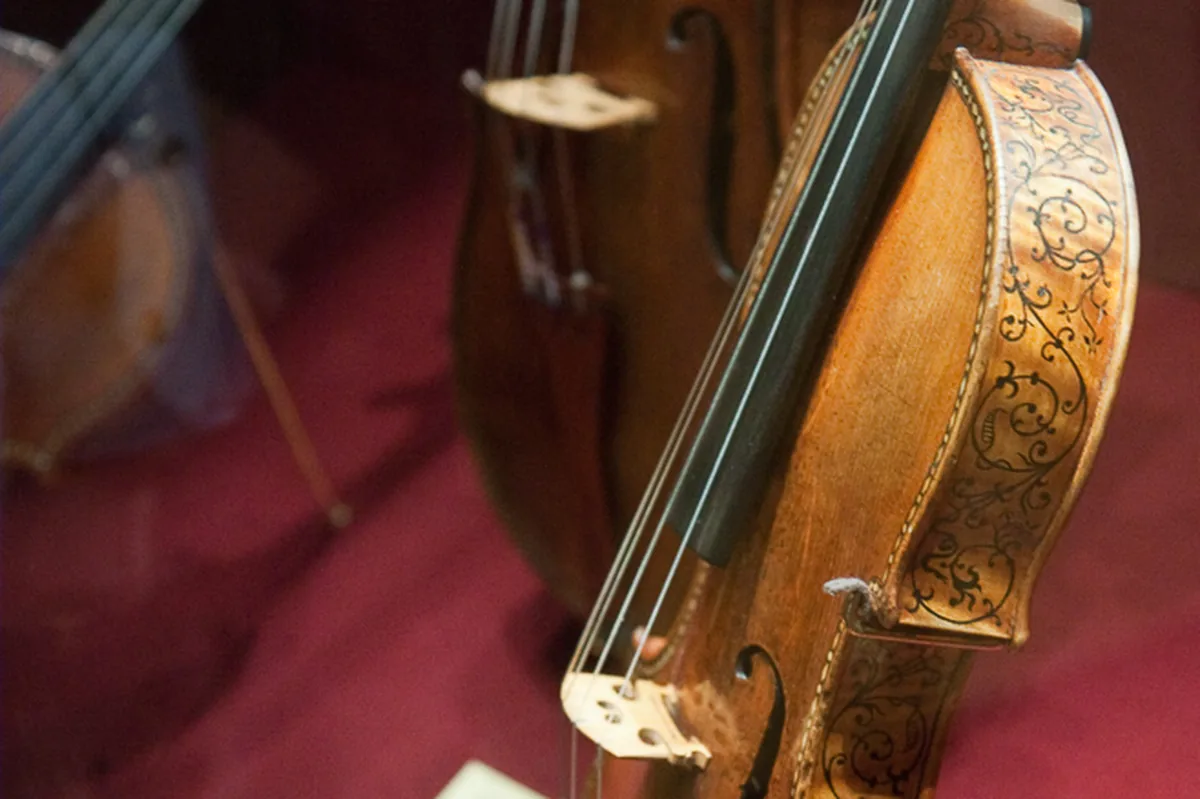
There also have been many theories as to how Stradivari truly crafted his violins. One such theory suggests that Antonio utilized wood from an old cathedral to create his violins. However, scientific research based on tree-ring dating proves that this theory is inaccurate and cannot be realistic. Another theory exists, suggesting that the wood utilized for the violins or instruments were from the little ice age and had thick rings. However, scientific research on the thickness of the rings in the wood proves that this theory is also inaccurate, for the wood contained thick rings, rather than thin rings, which would result from cold climates. Another theory suggests that the glue that Antonio Stradivari utilized had an effect on the quality of sound of the instrument. This theory has not been completely rejected, but is currently being investigated. Other theories suggest that the wood was treated with borax, or that the wood was left in salt water or sea water for some time.
Updated & expanded — current sourced facts
The reference notes below were added by the Stradivarius Violins editorial team to bring the original article up to date with current, sourced facts (including modern auction records and present-day instrument locations). They supplement — and do not replace — the original article above. Valuation figures are reported market and auction history, not financial or appraisal advice.
Antonio Stradivari (1644–1737) crafted violins in Cremona, Italy, that have become legendary among musicians and collectors. The instruments command extraordinary prices on the rare occasions they change hands, yet the reasons for their celebrated sound remain one of music's enduring mysteries. For centuries, luthiers have attempted to replicate Stradivari's work, driven by both artistic ambition and commercial interest. As a result, the market contains a substantial population of honest copies and trade instruments bearing Stradivarius-style labels—instruments made in the spirit of Stradivari's design but not authentically made by him or even in his era.
The acoustic superiority often attributed to genuine Stradivari violins has inspired numerous scientific and historical hypotheses. Some researchers have investigated whether the particular density of Alpine spruce used in the instruments—possibly influenced by slower tree growth during the cooler climate of the Little Ice Age—contributed to their tonal qualities. Others have explored whether Stradivari applied chemical or mineral treatments to the wood, or whether the composition and aging of his varnish held secrets now lost. Still others have focused on the precise geometric proportions of the arching and the exact thicknesses of the instrument's plates. To date, none of these theories has been proven conclusively.
Complicating the narrative further, blind listening tests conducted by skilled musicians have sometimes failed to establish a reliable distinction between authenticated old Italian instruments and fine modern violins. This evidence suggests that the "secret" of Stradivari's sound, if one exists, remains genuinely unknown rather than established as historical fact. The question of what made these instruments acoustically exceptional continues to invite both scientific inquiry and healthy skepticism.
This page updates and corrects an original stradivariusviolins.org article with current, sourced facts.
Sources: Smithsonian — National Music Museum / NMAH string instruments; W. Henry Hill, Arthur F. Hill & Alfred E. Hill — 'Antonio Stradivari: His Life and Work (1644–1737)'; The Metropolitan Museum of Art — musical instruments collection. Educational information only — not financial, investment, or appraisal advice. See our sources & fact-check policy.
Frequently asked questions
Copies abound — stradivarius copies & the secret of the sound?
Most labelled 'Stradivarius' violins are copies, not genuine
Wood hypothesis — stradivarius copies & the secret of the sound?
Dense Alpine spruce; debated 'Little Ice Age' link
Varnish hypothesis — stradivarius copies & the secret of the sound?
Varnish recipe & ageing — under study
More in Stradivarius violins
Explore the famous instruments
Compare the Messiah, Lady Blunt, Soil, Hammer and more side by side — type, year, period, value, and where they are today.
Compare Stradivari instruments →