Stradivarius violins
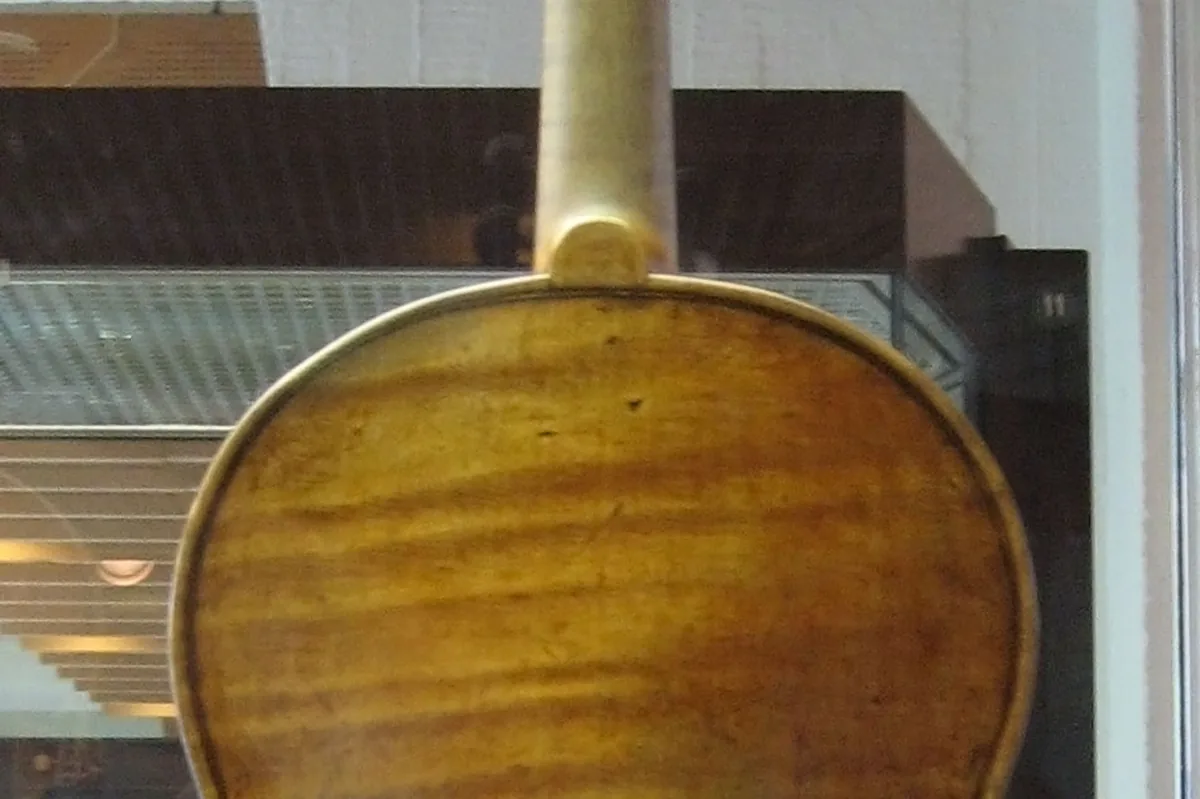
Many Stradivarius violins were named after the musician who played them, or the owner who bought them. One such violin is the Aranyi named after Francis Aranyi, a collector of violins. Mercur-Avery is another violin, named after Jonathan Carney, who played in the Baltimore Symphony Orchestra. Many of the Stradivarius violins are owned by foundations and organizations such as the Nippon Music Foundation, the Los Angeles Philharmonic, the Royal Academy of Music, the Donald Kahn Foundation, the Canada Council for the Arts, Austrian National Bank, the Finnish OKO Bank, the Stradivari Society, as well as the Library of Congress. One violin was even named after the Spanish city of Cadiz, and resided there as well.
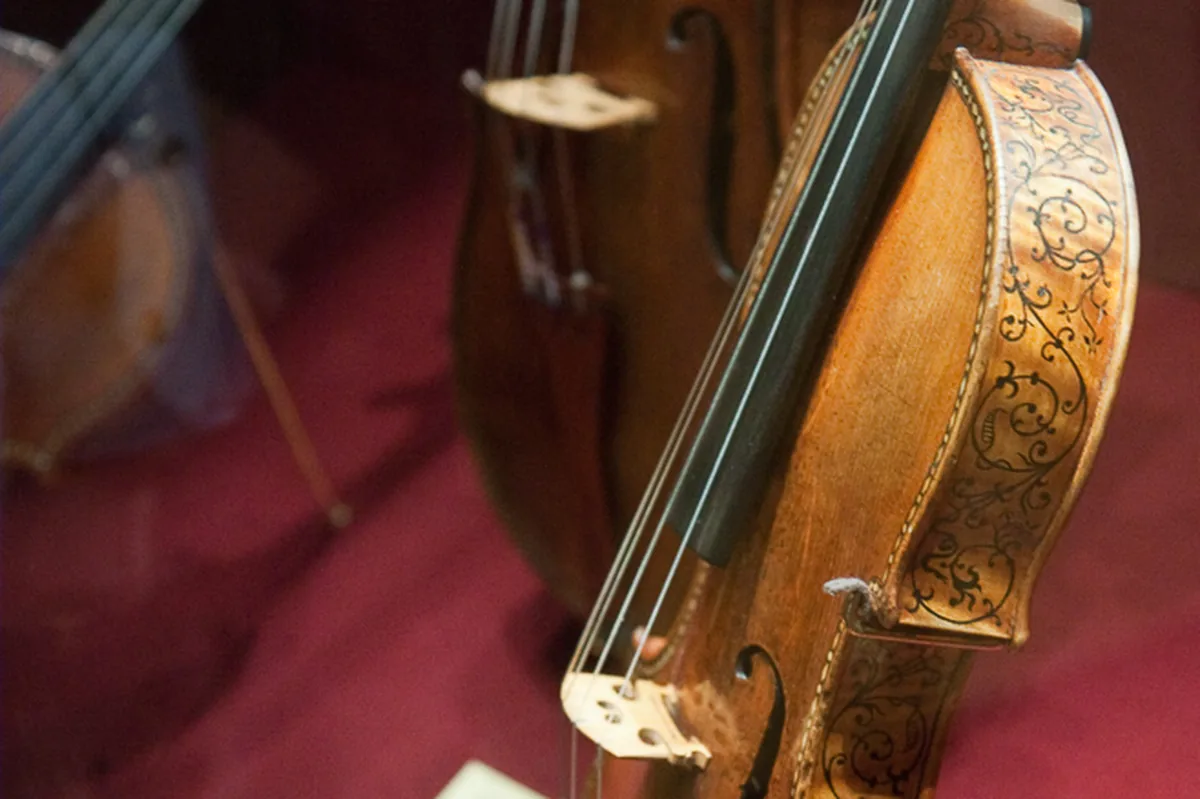
There are several violins which are stolen and missing, such as the Oistrakh, Ames, Lamourex, Davidov-Morini, Colossus, Le Maurien, and Lipinski. Many of the Stradivarius violins are currently being utilized by musicians and played for professional purposes. Several others are on loan to individuals, such as the Joachim, the Booth, the Dolphin, and the Kiesewetter. Most of these violins were created in the late 1660’s to the early 1730’s. Throughout this span, numerous Stradivarius violins were created and owned by prominent individuals of society.
Updated & expanded — current sourced facts
The reference notes below were added by the Stradivarius Violins editorial team to bring the original article up to date with current, sourced facts (including modern auction records and present-day instrument locations). They supplement — and do not replace — the original article above. Valuation figures are reported market and auction history, not financial or appraisal advice.
Antonio Stradivari was an Italian stringmaker who worked in Cremona during the late seventeenth and early eighteenth centuries, producing violins, violas, and cellos between the 1660s and the 1730s. His violins remain among the most celebrated instruments in the world, sought after by professional musicians and collectors alike. Stradivari's approach to construction was methodical and refined over his lifetime; he selected spruce for the top of the instrument and maple for the back, ribs, and neck, adjusting the proportions and arching of these components as his craft matured.
The instruments Stradivari created during the period from roughly 1700 to 1720—often referred to as his "golden period"—are particularly prized for their powerful, clear, and resonant tone. This distinctive sound quality has made his violins objects of intense study and admiration for more than three centuries. Researchers and acoustical engineers have investigated various hypotheses about the sources of the Stradivarius sound, examining factors such as wood selection, varnish composition, and construction geometry, though no single explanation has been definitively proven.
Many of Stradivari's surviving violins are individually named, typically after a celebrated player, former owner, or place of significant ownership. Today these instruments are housed in museums and private foundations, managed by banks and conservancies, or loaned to international concert soloists who perform with them. The rarity and historical importance of these violins ensure their continuing prominence in both musical performance and instrumental research.
This page updates and corrects an original stradivariusviolins.org article with current, sourced facts.
Sources: Library of Congress — Stradivari instruments / Whittall Collection; Smithsonian — National Music Museum / NMAH string instruments; W. Henry Hill, Arthur F. Hill & Alfred E. Hill — 'Antonio Stradivari: His Life and Work (1644–1737)'; Tarisio — Cozio Archive of stringed instruments. Educational information only — not financial, investment, or appraisal advice. See our sources & fact-check policy.
Frequently asked questions
What it is — stradivarius violins?
A string instrument made by Antonio Stradivari of Cremona
Made — stradivarius violins?
Cremona, Italy, c.1660s–1730s
Woods — stradivarius violins?
Spruce top; maple back, ribs and neck
More in Stradivarius violins
Explore the famous instruments
Compare the Messiah, Lady Blunt, Soil, Hammer and more side by side — type, year, period, value, and where they are today.
Compare Stradivari instruments →